KETO FOODS
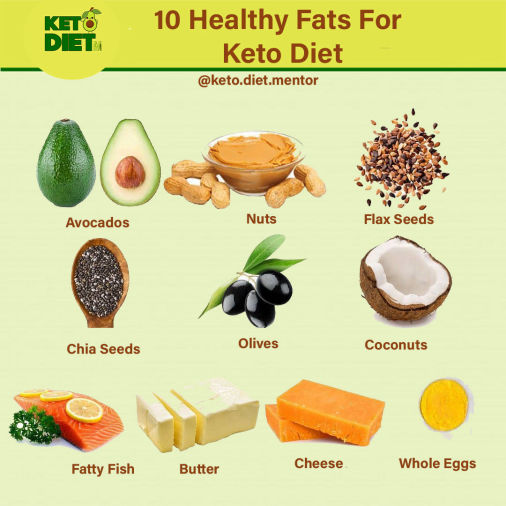
The ketogenic (keto) diet is a low-carb, high-fat diet that makes losing weight simple. It’s important to balance the low carbs with a high fat intake, which can seem a little counterintuitive if, like so many of us, you’ve grown up being told that fat makes you fat. But it’s high-quality fats such as coconut oil, avocado, and butter from grass-fed cows that fuel your body once you enter ketosis—so fat is an incredibly important piece of the keto puzzle.
Ketosis is what makes keto work, so you should know that it’s essentially the metabolic process in which the body stops using glucose (sugar) for energy and burns fats instead. Getting into ketosis involves more than just estimating and trying to eat as low-carb as possible, so do use a keto calculator online and enter your height, weight, estimated body fat percentage, and weight-loss goals. A calculator will give you a daily calorie count and your carb, fat, and protein macros. If you follow the guidelines, you’ll reach and stay in a state of ketosis.
REAL FOOD, REALLY SIMPLE
Because keto has become such a popular diet, there are a number of differing opinions on what is and isn’t keto, how to balance macros, and best practices for generally implementing the diet into one’s lifestyle in a way that’s both effective and sustainable. It can take a lot of prep work to eat this way, and when so many recipes out there have numerous ingredients and long cooking times, it might seem almost impossible to come up with meals that work for you.
As noted already, there’s a learning curve when it comes to keto, but other than that, the diet isn’t a mystery—it’s just smart eating using basic, familiar ingredients. The sooner you identify the most nutritious, keto-valuable food groups, the easier it will be for you to start eating well on the diet. Once you know what’s what and get used to it all, living on the diet will come easily to you.
Take me, for example—I know that to stay in ketosis I need to eat about 25 grams of carbs (7% of the day’s allotment), 76 grams of protein (21%), and 114 grams of fat (72%) every day. After a few weeks, I learned what I needed to get from the grocery store to meal plan one week at a time so I could hit those numbers every day. I learned which breakfasts worked, what I should have for lunch, good ideas for dinner, and what kinds of snack I should have between meals (if any—keto food is super filling and you’ll probably find yourself eating less frequently than you used to).
The 10 foods highlighted in this blog have been carefully chosen because they form the building blocks of a solid keto diet. Staying in ketosis relies on a diet of fats, proteins, and vegetables. Staying in ketosis is important because it means your body is continuing to burn fats as energy instead of glucose. People who stay in ketosis are able to lose more weight and often enjoy increased brain function and clarity, better sleep, and decreased appetite overall.
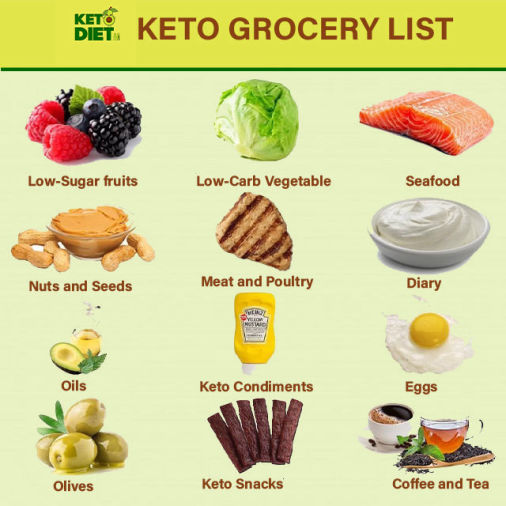
So fats, proteins, and vegetables are what you’ll find in these next chapters, and they all work well with a variety of cooking methods. In the first few chapters, we cover the big fats such as eggs, bacon, avocado, dairy, and nuts. We move from there to proteins such as chicken, beef, pork, fish, and seafood.
Finally we have five chapters full of recipes based on low-carb veggies such as cabbage, cauliflower, and zucchini. The last chapter is Pantry Basics, and is chock-full of snacks, sauces, and other things you might find yourself making regularly to keep in your refrigerator or pantry.
There are different types of food that fall into this list. These food ideas definitely push for high fat content, while at the same time packing other nutrients and healthy vitamins in for the body’s use.
1. Water
Drinking enough water is probably one of the most important things to remember when transitioning to keto (and once you’re keto-adapted). Hydrate all day. Cutting down on carbs removes extra stores of water in your body, so it’s easy to get dehydrated if you don’t stay on top of your water consumption. Pay attention to symptoms such as increased thirst, dry mouth, headache, dizziness, or lethargy.
If you’re not a plain water fan, add lemon, cucumber, mint, lime, or some combination to make it more interesting. I also love sparkling water—just make sure it’s a brand that doesn’t add any sugar or juice, such as LaCroix. Not only is getting enough water important for hydration, it also helps curb cravings, keeps you from overeating, and is just generally great for your overall health.
2.Meats And Animal Products
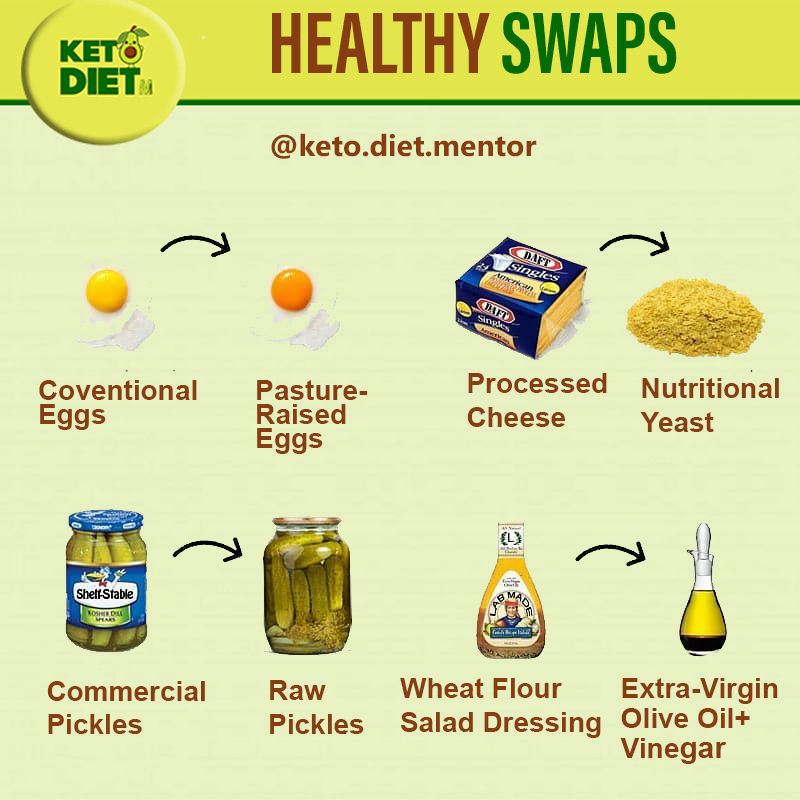
The way animals are raised makes a big difference when it comes to nutrition. If possible, you should always opt for pasture-raised pork, chicken, and eggs, and grass-fed beef. Meat and eggs from pasture-raised animals retain more nutrients and are raised in a more ethical way than conventionally-raised animals.
If you buy grass-fed beef you can be sure that it hasn’t been finished with corn or grains, which obviously stay present in the meat. The saying “you are what you eat” definitely applies here, and on the ketogenic diet you don’t want your protein sources to be raised on carbs and fillers.
• Beef
• Chicken
• Eggs
• Goat
• Lamb
• Pork
• Rabbit
• Turkey
• Venison
• Shellfish
• Salmon
• Mackerel
• Tuna
• Halibut
• Cod
• Gelatin
• Organ meats
3.Eggs
Eggs are the perfect ingredient to start with because they offer a great way to get protein and fat without many carbs—1 large egg has fewer than 100 calories, 5 grams of fat, about 6 grams of protein, and less than 1 gram of carbohydrates. I like to keep a few hardboiled eggs in the refrigerator so they’re always ready to go as a quick snack or into a fast recipe suchnas my keto Egg Salad, or even to throw on top of a Cobb Salad.
A lot of people on the ketogenic diet choose to skip breakfast (intermittent fasting is very interesting, the basic gist being that you fast for 16 hours and eat for 8), but that doesn’t mean
egg recipes go out the window. Whether you choose to eat breakfast or not, these egg recipes make great lunches, even dinners, and many can be made ahead and eaten as snacks.
I think you’ll soon fi nd it’s better for your daily macros and meal planning to add some additional fat to your meals (remember: you want to consume more fat than protein) to
stay in ketosis, but the following recipes do just that, so you’ll
stay on the right track!
4.Vegetables
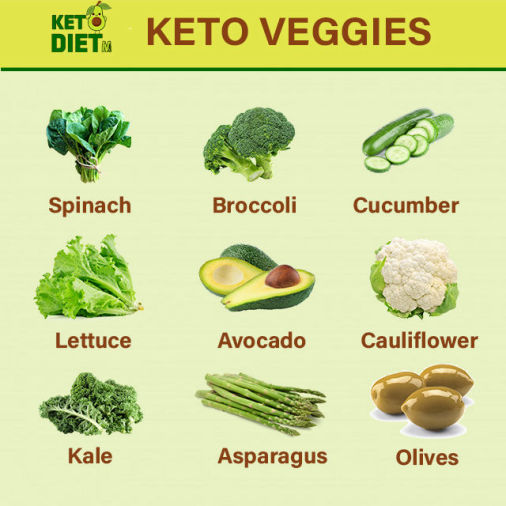
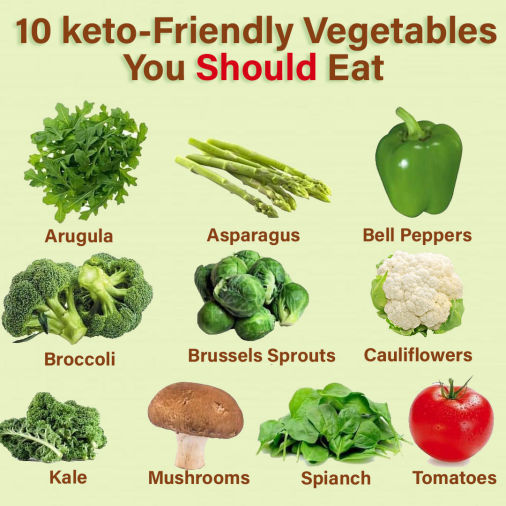
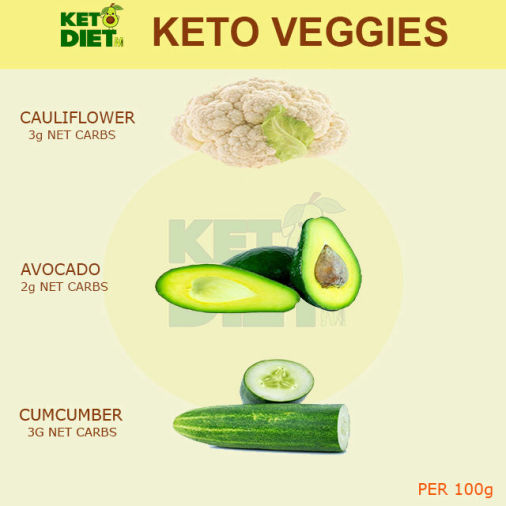
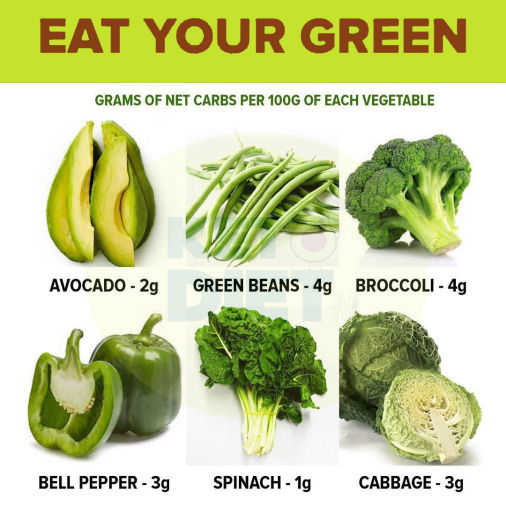
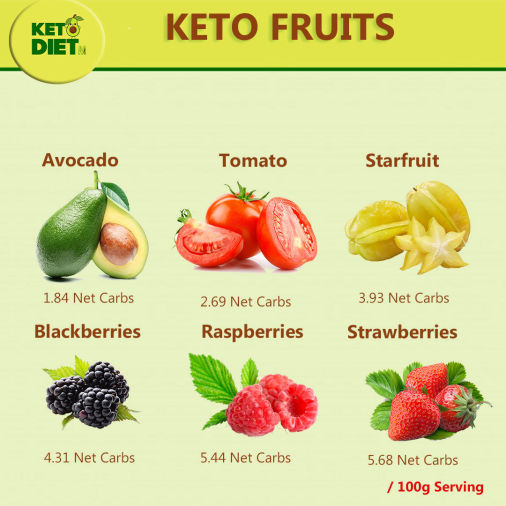
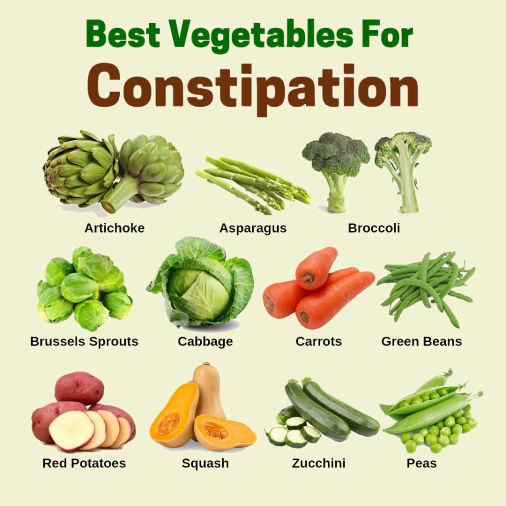
Fresh vegetables are rich in nutrients and low in calories which makes them an excellent addition to any diet. With the ketogenic diet, however, you need to be careful about carbs, so stick to leafy greens and low- glycemic veggies rather than root vegetables and other starchy veggies. I placed avocados in this section because some of us may recognize it as a vegetable even though it actually is a fruit.
• Artichokes
• Asparagus
• Avocado
• Bell peppers
• Broccoli
• Cabbage
• Cauliflower
• Cucumber
• Celery
• Kohlrabi
• Lettuce
• Okra or ladies’ fingers
• Radishes
• Seaweed
• Spinach
• Tomatoes
• Watercress
• Zucchini
5.Dairy Products
However, it needs to be said that not all dairy works—always avoid anything low fat or nonfat and always choose the product with the highest fat content—even 2% and whole milk have more carbs than necessary, so when it comes to milk, stick to heavy cream or half-and-half. The dairy products I use most are cream cheese, Cheddar cheese (I think it goes with everything and also makes an easy snack), and heavy cream (either in cooking or in my coffee or tea).
I don’t consider dairy to be a huge keto staple, but it’s hard to make the diet work without it. (If you’re dairy-free, check out some of the recipe tips for dairy-free alternatives, or skip this chapter and focus more on the avocado and nut chapters—those are good ingredients to ensure you’re incorporating enough fat into your diet.)
• Kefir
• Cottage cheese
• Cream cheese
• Cheddar cheese
• Brie cheese
• Mozzarella cheese
• Swiss cheese
• Sour cream
• Full-fat yogurt
• Heavy cream
6.Bacon
Bacon really had its moment a few years ago—you could get bacon on your Bloody Mary, bacon cupcakes, bacon beer—you name it, there was bacon in it. The fad may be on its way out, but bacon is still a keto staple because it’s a great way to get both protein and fat, and you can easily make it either
the center of a recipe or just a supporting ingredient. I like making a big batch in the oven on Sunday and using it in recipes throughout the week, whether on a salad, as a side with scrambled eggs, or in any of the following recipes where it plays a larger part.
A note about ingredients: Carefully read the labels on your bacon packages. Many brands have a lot of added sugar. You want as few ingredients as possible in your bacon, and double-check the nutritional info before you buy it to make sure it’s not full of unnecessary carbohydrates.
7.Avocado
I hope you like avocados, because on the keto diet they’re about to become your new best friend. My husband and I serve at least a quarter of an avocado with just about everything—as a side with eggs, on top of a burger or salad, or on its own with a little salt and lime juice. Sometimes, at the end of the day, I am up to my limit for carbs and even protein, so avocado is a great way to up my fat intake without throwing off the balance of the rest of my macros. It’s kind of the perfect keto food—not very much protein, tons of fat, and enough dietary fiber that there are virtually no carbs.
Also, it’s delicious on, in, or beside pretty much anything; the flavor is so mild that it can be incorporated in a variety of dishes. In this chapter you’ll find breakfast and lunch options, snacks,
appetizers, and even some dessert ideas.
8. Nuts
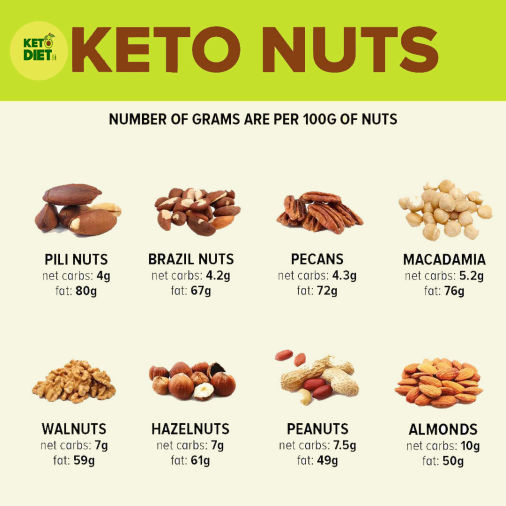
Nuts are a great snack if you need a little protein, and there are lots of grain-free recipes that use nuts as a substitute for more conventional ingredients. That doesn’t mean, however, that all nuts are keto-friendly. As usual, stick with the nuts that have the fewest carbs and the most fat. The majority of the recipes in this chapter use the lowest-carb nuts: pecans, hazelnuts, macadamia nuts, peanuts, and almonds. Other nuts (and seeds) that are low in carbs and therefore can be used as substitutes are Brazil nuts, chia seeds, sesame seeds, and walnuts.
I like to keep some nuts in my bag as an emergency snack, but that can get a little boring. These recipes ensure you always have snacks on hand that are delicious, interesting, and keto friendly.
9.Chicken
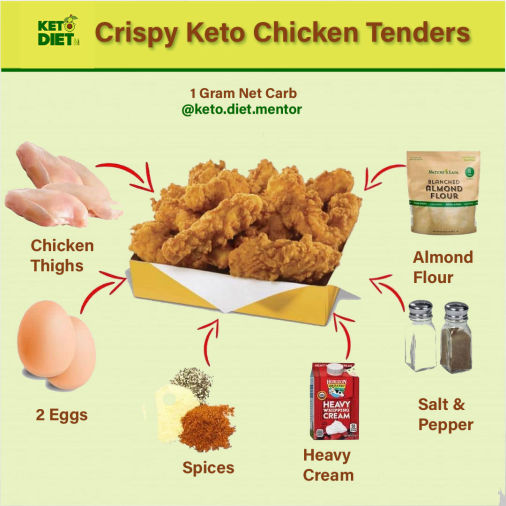
Most health-conscious diets sing chicken’s praises for being high in protein and low in fat. For a ketogenic diet, however, chicken is sometimes a little too high in protein without enough fat, so a lot of these recipes have fat added in some way. Most of the chicken recipes call for chicken breasts, but just go right for the thighs if you prefer. I usually choose them because they’re fattier, tastier, less expensive, and harder to overcook.
Grilled chicken thighs with some salad greens on the side dressed simply with Ranch Dressing is one of the easiest meals to throw together and always tasty. I hope these recipes give you lots of inspiration for using chicken in new ways!
10.Beef
Beef is sometimes a better keto protein option than chicken because the choice of cuts is greater, and you can find some cuts with much higher fat content. I usually have some steaks and a pound or two of ground beef in my refrigerator or freezer at any time—I’ve found it’s the easiest way to throw together a keto-friendly meal without a lot of planning.
FOODS TO AVOID:
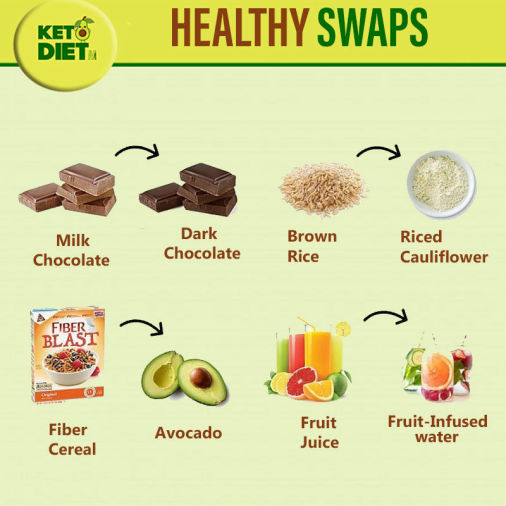
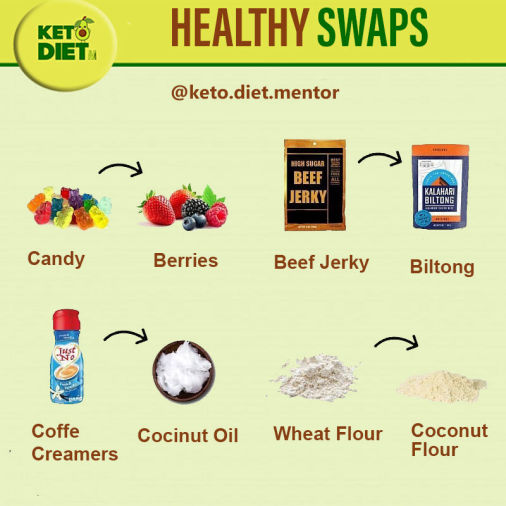
When it comes to foods you should avoid on the ketogenic diet, there are a few major categories to mention. First and foremost, you should avoid grains and grain-based ingredients as much as possible since they are the highest in carbohydrates. Choose healthy fats over hydrogenated oils and try to limit your intake of starchy vegetables and high-glycemic fruits. When it comes to sweeteners, refined sugars like white sugar and brown sugar are completely restricted, and you should also avoid artificial sweeteners. Natural sweeteners like honey, pure maple syrup, and agave are not necessarily bad for you, but they are very high in carbohydrates. The best sweeteners to use on the ketogenic diet are powdered erythritol, stevia, and monk fruit sweetener.
Stevia is an herb that is also known as the sugar leaf. This sweetener comes in several forms, and you need to make sure that whatever type you buy doesn’t also contain an artificial sweetener. Liquid stevia extract is usually the best option, though you can also find powdered stevia extract. Another option is powdered erythritol, which is extracted from corn, and it is usually the best option to use in recipes for baked goods.
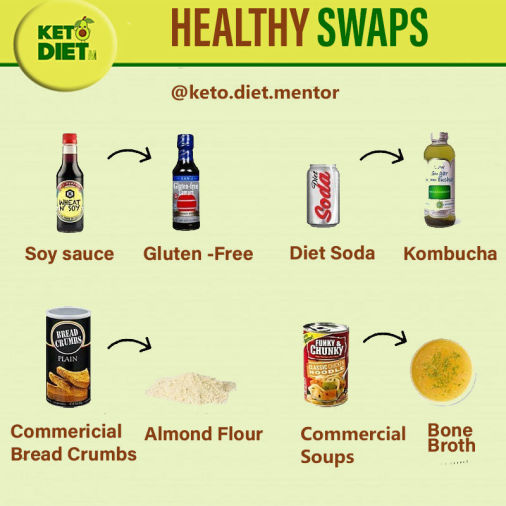
In terms of sauces and condiments, you need to read the food label to see whether the item is keto- friendly or not because brands differ greatly. Generally speaking, basic condiments like yellow mustard, mayonnaise, horseradish, hot sauce, Worcestershire sauce, vinegar, and oils are keto-friendly. When it comes to things like ketchup, BBQ sauce, and salad dressings you need to be mindful of the sugar content present in them.
Here is a quick list of some of the major foods you’ll need to avoid on the ketogenic diet.
• All-purpose flour
• Baking mix
• Wheat flour
• Pastry flour
• Cake flour
• Cereal
• Pasta
• Rice
• Corn
• Baked goods
• Corn syrup
• Snack bars
• Quinoa
• Buckwheat
• Barley
• Couscous
• Oats
• Muesli
• Margarine
• Canola oil
• Hydrogenated oils
• Bananas
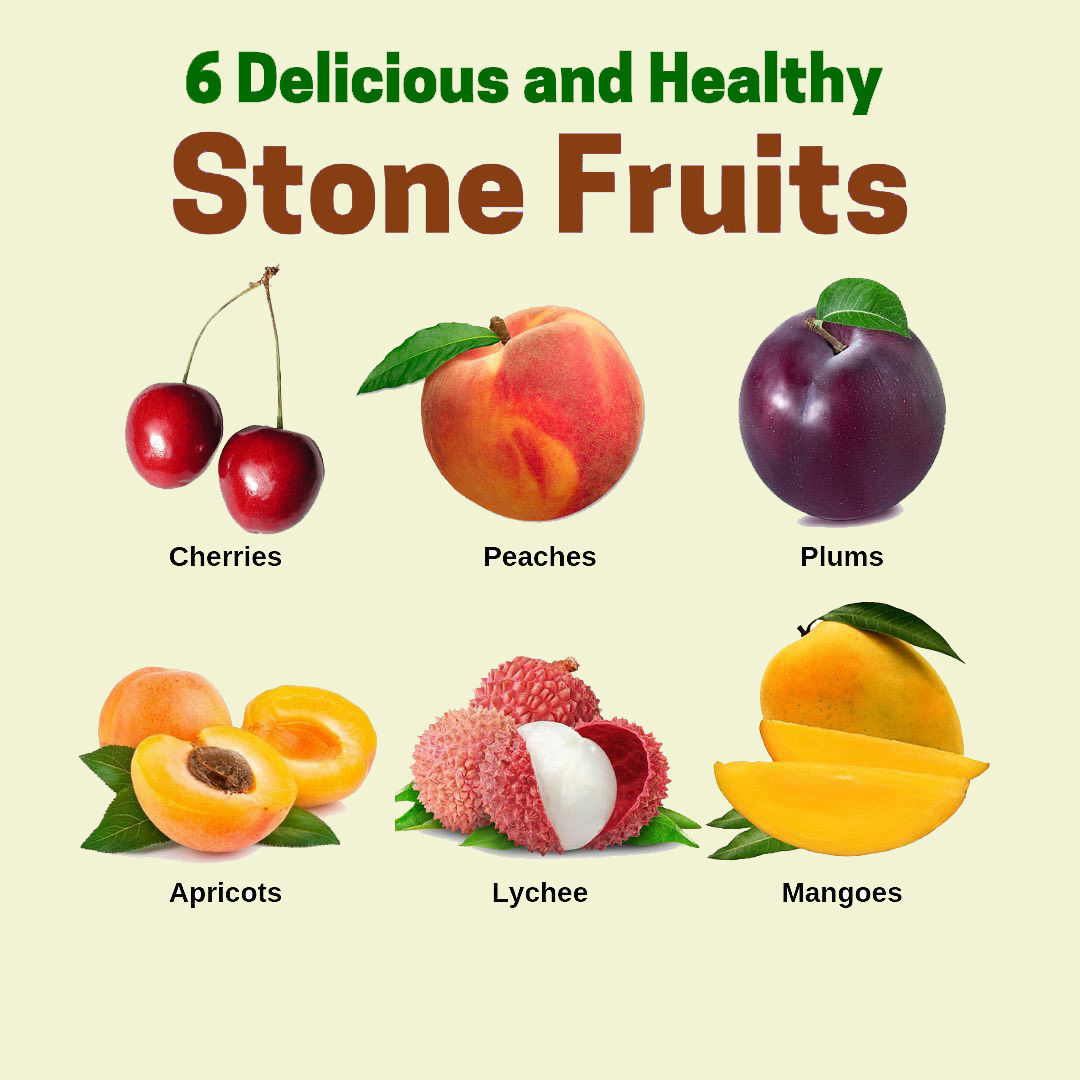
• Mangos
• Pineapple
• Potatoes
• Sweet potatoes
• Candy
• Milk chocolate
• Ice cream
• Sports drinks
• Juice cocktail
• Soda
• Beer
• Milk
• Low-fat dairy
• White sugar
• Brown sugar
• Maple syrup
• Honey
• Agave
CONCLUSION:
The keto diet may help with weight loss, blood sugar control, and other health goals. However, its low carb and high fat approach may seem overly restrictive, especially at first. Nonetheless, this eating pattern accommodates a wide variety of nutritious, tasty, and versatile foods that let you stay within your daily carb range. To reap all the health benefits of the keto diet, it’s best to eat a wide variety of these food.
The low carb, high fat keto diet remains quite popular, and many people find that they enjoy the diet and the results it provides. However, it may not be the right fit for everyone. Keto is extremely restrictive compared with some other diets, which may cause stress for some people. The keto diet may cause side effects, especially when you’re getting started. Some possible Side effects can include:
1.Dizziness
2.Fatigue
3.Digestive changes
4.Increased cholesterol levels